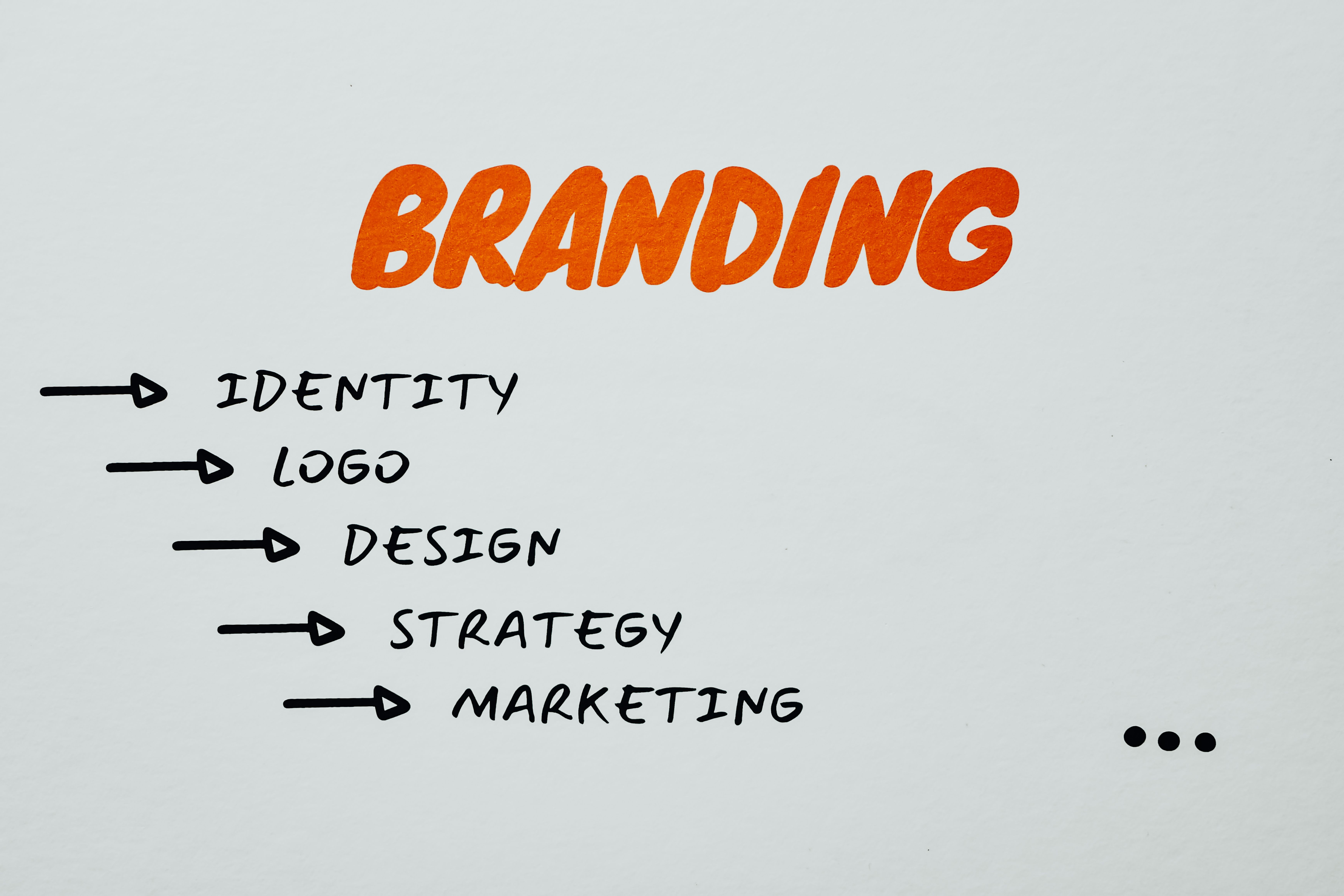

How Branding Drives Success in Digital Marketing
Branding in the digital era: Why it truly matters
Brand value isn’t something you can physically measure, yet its impact is unmistakable. A strong brand engenders trust, boosts recall, and often leads customers to choose it over competitors—even when other options are cheaper. In a world that operates primarily online, branding has evolved beyond logos and color schemes. It’s about consistent messaging, meaningful audience connections, and credible presence built over time.
The power of a well-established brand
- Trust and recognition: A coherent brand voice and visual identity help audiences feel confident in their choice.
- Preference and loyalty: Well-known brands often win due to perceived reliability, which can translate into repeat business.
- Competitive differentiation: In crowded markets, branding provides a clear signal about value, beyond price alone.
Strategic elements behind effective branding
- Audience insight: Deep understanding of target demographics, needs, and pain points informs messaging that resonates.
- Competitive mapping: Analyzing competitors helps identify gaps and opportunities to position the brand uniquely.
- Behavioral signals: Small, often subconscious details about customer behavior—how they interact with content, respond to messages, and engage with channels—collectively shape a brand’s effectiveness.
- Consistent communication: Regular, aligned messaging across channels reinforces brand meaning and credibility.
- Long-term credibility: Building trust requires sustained delivery on brand promises and quality over time.
Branding versus performance marketing: finding the balance
Performance marketing—ads, conversions, and immediate results—plays a crucial role in driving short-term outcomes. However, branding creates the foundation that enhances the efficiency and longevity of performance efforts. A strong brand can improve ad recall, increase conversion rates, and reduce customer acquisition costs over time by attracting more engaged and loyal buyers.
Discussion points
- To what extent does branding influence outcomes in digital marketing compared with direct performance metrics?
- How should organizations balance brand-building initiatives with performance-driven campaigns to maximize ROI?
- What are practical, scalable branding strategies for businesses at different stages (startup, growth, enterprise) in a digital-first environment?
If you’d like, share examples from your experiences where branding clearly impacted digital performance, or where performance tactics seemed to rely on a strong brand to succeed.